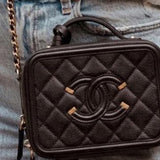
Luxury resale keeps winning shoppers: Chanel's Classic Flap retails for $10,400 in the small size and $10,800 in medium, and Hermès raised prices 6 to 7 percent on May 1, 2025. When boutique prices climb that fast, authenticated pre-loved becomes the rational first choice, not the compromise.
Why are luxury prices climbing so fast?
2025 has been a year of significant price hikes at the two most desired houses in luxury. Chanel has raised prices on the Classic Flap for several consecutive years, and the bag now sits at $10,400 in the small size and $10,800 in medium. Hermès followed with an increase of 6 to 7 percent on all items starting May 1, 2025, a move tied to the 10 percent tariffs currently applied to its US operations.
The pattern is familiar to anyone who has watched handbag prices for a decade: boutique pricing rises faster than incomes, and the gap between new and pre-owned keeps widening. That gap is exactly where the resale market lives, and it is why this shift is not a short term trend.
What do price increases mean for resale shoppers?
Every increase at the boutique pushes more shoppers to the secondary market for one simple reason: access without the full retail hit. A pre-loved bag in great condition can cost a fraction of its boutique twin, and when the seller authenticates, the buyer gets the exact piece they want instead of a waitlist promise that may never arrive.
- Access: discontinued colors, sizes and leathers stay available on resale long after the boutique has moved on;
- Price: popular styles trade well below current retail, while rare quota bags keep premium pricing;
- Speed: no profile building, no waitlist, and no limit of one or two bags per year.
The LDJ edit
Shop the latest finds


Do designer bags really hold value?
The investment case is real, with receipts. Studies reported by CNBC TV18 found that the Hermès Birkin outpaced the S&P 500 from 1980 to 2015, delivering a steady 14.2 percent annual increase in value. Hermès also keeps raising prices and never discounts, which supports the pre-owned market rather than undercutting it.
Not every bag is a Birkin. Buyers who want the strongest resale position should choose timeless silhouettes, neutral colors and leathers known for durability, the same criteria collectors use when planning a wardrobe rather than a single moment.
Is buying pre-owned better for the planet?
Sustainability is now a core driver of the shift, not a side benefit. Buying pre-owned extends the life cycle of an already made product, reduces demand for new resources, and moves spending away from the waste and pollution of fast fashion. ThredUp's 2024 Resale Report found that 33 percent of consumers planned to buy more secondhand items in 2025, and 59 percent said tariff and trade policies would push them toward more affordable options on the secondhand market.
Circular fashion has become the practical way to keep wearing the world's most coveted pieces without funding another round of overproduction.
How do you start buying luxury resale?
Start with a seller who authenticates before listing and stands behind every sale in writing. Luxe Du Jour inspects every item in house, and each purchase carries a 100 percent authenticity guarantee: if a bag is ever proven to be a replica by a reputable professional authenticator, the buyer gets their money back.
From there, shopping is straightforward. Pick a style you will wear for years, choose a durable leather and a neutral color, and buy from a source that answers questions before you pay. The savings take care of the rest.
Frequently asked questions
Is luxury resale cheaper than buying new?
For most styles, yes. Many pre-loved bags sell for a fraction of current boutique prices, though rare quota bags like the Birkin and Kelly can carry premiums above retail.
Why is the pre-loved market growing so quickly?
Rising boutique prices, tariff pressure and sustainability concerns all push buyers to resale. ThredUp found 33 percent of shoppers planned to buy more secondhand in 2025.
Do pre-loved designer bags hold value?
Some do, exceptionally well. The Birkin returned a steady 14.2 percent annual increase in value from 1980 to 2015, outpacing the S&P 500 over the same period.
What is the difference between pre-loved and secondhand?
Pre-loved is simply secondhand focused on luxury designer goods. The term emphasizes that the piece was cared for and can keep living, not that it was discarded.
Go deeper on the market numbers in our guide to the rise of pre-loved luxury, see which bags hold their value best in our resale value ranking, or browse authenticated new arrivals and pre-loved Hermès at Luxe Du Jour.
The LDJ edit