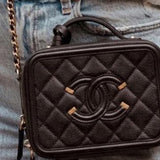
Seven red flags separate an honest luxury seller from a counterfeit operation: no prices, deleted comments, endless brand new stock, one or two photos, unicorn bags in bulk, constant rebrands and ugly responses to questions. Spot two or more on this list and walk away from the deal.
Listing red flags: no prices and thin descriptions
Honest sellers practice transparency. They list prices and provide all the details a buyer needs about condition and product. Counterfeit sellers do the opposite: little to no description on their listings, and a habit of asking buyers to message privately for details and prices. If everything happens in DMs, be suspicious.
The same goes for condition. When every product is always brand new or like new, the seller is avoiding close-up shots at multiple angles, because genuine wear would expose the counterfeit work.
Photo red flags: one or two images only
Scammers often post only one or two oddly cropped photos per bag, often stolen from other consignment platforms and edited to remove watermarks, surrounding environments or someone else's hands. If the images look reused, ask for new ones. If the seller refuses, stop there.
Community red flags: deleted comments and disabled replies
Bag collectors and authentic consignment stores can often spot a fake from a photo, and sometimes they leave comments warning potential buyers. Scammers respond by deleting those comments or disabling commenting altogether to avoid exposure. A seller with nothing to hide has no reason to silence the room.
The LDJ edit
Shop the latest finds


Stock red flags: unicorns in every drop
Shops that always feature rare or trending bags, the kinds that are nearly impossible to find anywhere else, are usually selling counterfeits. The strategy targets buyers who rush because the price feels like a once-in-a-lifetime win. Authentic consignment stores cannot get unlimited quantities of unicorns either, because those bags are simply not available.
Identity and behaviour red flags
Watch for churn. Counterfeit sellers get exposed by previous customers and by legitimate stores, so they constantly change company names, logos, profile photos and usernames to keep operating. A shop that rebrands repeatedly is a major red flag. So is attitude: selling counterfeits while advertising them as authentic is a crime, and scammers often respond to authenticity questions with slander and personal attacks. An honest seller stays professional no matter what you ask. Luxe Du Jour's mission is to provide a safe, secure and easy shopping experience for pre-loved luxury, and that bar should apply everywhere you shop.
Frequently asked questions
How do I avoid counterfeit bag scams?
Check for the seven red flags: hidden prices, thin descriptions, brand-new-only stock, few photos, constant rebrands, deleted comments and unprofessional replies. Buying from authenticated consignment stores removes most of the risk.
Why do counterfeit sellers disable comments?
Because comments are where knowledgeable collectors warn buyers. Deleting or disabling feedback hides the evidence, and an honest seller has no reason to prevent questions about authenticity or condition.
What should a trustworthy consignment store do?
List prices openly, photograph pieces in detail, verify authenticity before selling and answer questions professionally. Transparency and respect are the baseline, not perks, for anyone handling your money.
Compare this list against the checks in how to spot a fake designer handbag, browse authenticated new arrivals, or start a quote of your own with our consignment service.