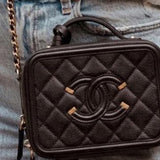
The Chanel Classic Flap (medium) went from $220 in 1955 to $10,200 in 2023, a climb of more than 4,500 percent. The pace has accelerated: three price increases landed in 2023 alone, including a 16 percent jump, and another round of 10 to 20 percent was confirmed for March 2024. Here is the full timeline and what drives it.
How much has the Chanel Classic Flap cost over the years?
The published retail price history for the medium Classic Flap:
| Year | Price |
|---|---|
| 1955 | $220 |
| 1990 | $1,150 |
| 2005 | $1,650 |
| 2008 | $2,495 |
| 2009 | $2,695 |
| 2010 | $2,850 |
| 2011 | $3,900 |
| 2012 | $4,400 |
| 2013 | $4,400 |
| 2014 | $4,900 |
| 2015 | $4,900 |
| 2016 | $4,900 |
| 2017 | $5,300 |
| 2018 | $5,600 |
| 2019 | $5,800 |
| 2020 | $6,500 |
| 2021 | $7,800 |
| 2022 | $8,800 |
| 2023 | $10,200 (a 16 percent increase) |
| 2024 | Around 12 percent expected |
The steepest percentage run arrived between 2010 and 2015, when the bag nearly doubled from $2,850 to $4,900. The 2023 change was the sharpest modern single year at 16 percent, and the March 27, 2024 increase in North America was reported at 10 to 20 percent across classic and seasonal styles.
Why does Chanel raise prices?
Part of the answer is economics. A Classic Flap behaves like a Veblen good: demand can rise with price, because the purchase signals status. Luxury houses count on buyers who are less price sensitive than the average shopper, and exclusivity itself is part of what is being sold, which is why Chanel tends to lose few customers to an increase.
Part of it is cost and currency. Shows, celebrity ambassadors, advertising and production all demand revenue growth, and currency fluctuations push the brand toward a global price equilibrium. That is why increases land at different percentages in different countries, although recent rounds have moved North America, Asia and Europe together. Demand geography matters too: Asian markets have continued to buy at higher prices, and emerging markets add promise alongside risk.
And part of it is strategy. Chanel raised prices three times in 2023, and Luxe Du Jour's published projection expects the Classic Flap to reach around $20,000 in boutiques by 2028. The pattern points beyond inflation: it moves the house toward the Hermès model, where the truly wealthy have the smoothest access and the average shopper is priced out of the room.
The Chanel edit
Shop Chanel
Is Chanel copying the Hermès model?
The signals are worth watching. The medium Classic Flap in black caviar with gold hardware is reportedly waitlisted at certain boutiques, with sales associates quoting two to three year waits, and the most wanted combinations no longer sit on display. That echoes the quota bag playbook Hermès runs with the Birkin, where access goes to loyal clients with purchase history.
Tammy remembers finding "a beautiful Hermès Birkin 25 in white sitting on display" in a Calgary Hermès boutique, available "for only $9,900 Canadian at the time." No Birkin waits on a shelf for a walk-in buyer now. The strategy is unconfirmed, but the pattern is clear: if access tightens further, buying a classic flap today gets structurally harder tomorrow.
What do the price increases mean for resale?
Resale prices follow with a lag. After a boutique increase, consignment pricing can take up to six months to adjust, because listing prices are set when pieces are consigned and owners usually leave the original quotes in place, wanting only a sale. That delay is opportunity: shoppers who buy on the resale market in the months after an increase are paying pre-increase money.
Then the market corrects. New consignments arrive priced to the new benchmark, which resets the ladder for everything that follows. Value hides in the corners of that correction: vintage classic flaps with 24K plated gold hardware and seasonal styles often run below the classic carryovers, which matters when a smaller budget is steering the search.
The flip side keeps sellers happy: clients who bought pre-owned pieces have resold them after later increases for more than they paid, even after consignment fees, because buying below retail moves the math in their favour.
Should you buy a Chanel bag as an investment?
The bull case is easy to state: the Classic Flap has never gone on sale. It behaves less like a fashion item than like a stock with a permanent upward chart, except this one can be worn to dinner. The analogy holds for classic bags and select limited editions; it does not hold for ready to wear, shoes or high jewellery.
Two caveats keep it honest. First, this is perspective, not financial advice: a wardrobe is not a retirement plan. Second, price without quality invites criticism, and the loudest complaint is that Chanel flaps now cost what a hand-finished Hermès costs while remaining largely machine made at scale. Chanel's five year warranty on its bags is one answer. The rest will be judged bag by bag.
Frequently asked questions
How much does a Chanel Classic Flap cost?
The medium Classic Flap reached $10,200 in 2023, and the March 2024 round added 10 to 20 percent. Check the current boutique price, because increases arrive at least yearly.
How often does Chanel raise prices?
At least once a year, and sometimes more. Chanel raised prices three separate times in 2023, and the March 2024 round covered classic and seasonal styles.
Why does Chanel keep raising prices?
Status economics, rising costs and strategy. As a Veblen good, demand can rise with price, and repeated increases move the house toward the scarcity model Hermès runs.
Is Chanel cheaper pre-owned?
Usually. Resale prices lag boutique increases by up to six months, and vintage pieces with 24K plated gold hardware or seasonal styles often sell below classic carryovers.
Browse authenticated Chanel bags at Luxe Du Jour, learn the resale playbook in finding the right consignment and from closet to cash, or start smaller with the best starter handbags.
The LDJ edit