Content splits into 2 lanes: fast fashion and luxury. The lane you build first shapes the sponsorships that follow, because hauls for brands like Fashion Nova or Shein attract lower end deals, often paid in free clothing, while a high end start points somewhere else entirely. Here is the ladder, rung by rung.
Why does the fast fashion lane cap your growth?
Fast fashion brands reach a specific audience, and that audience is typically not the luxury fashion industry. If your goal is a luxury partnership, early deals with lower end or fast fashion companies attract more of the same, and for most influencers those deals pay in free clothing rather than cash. The branded hauls may be exciting at first, but they can hurt your content if the end goal is a signature from a luxury house. The audience you attract is shaped by the brands you accept, not just by the brands you want.
What does the luxury ladder look like?
Influencers who land luxury partnerships typically start with high end retailers like Revolve, whose luxury inventory helps target the right audience from the beginning. That ladder climbs toward endorsements from houses such as Dior, Louis Vuitton, Chanel and Balmain. Knowing which creator you want to become matters at the very start, because switching midway can have a huge impact on your existing followers and your growth. The audience on that ladder is the asset sponsors underwrite, because a luxury viewer trusts the creator's eye before they trust the product.
The LDJ edit
Shop the latest finds


What does luxury content look like?
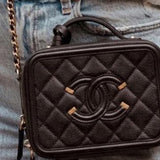
The photos look different: luxury items sit at the center, the main focal point, so the audience arrives to see the designer pieces. Style bloggers like @taramilktea build high end feeds this way, and once influencers sign with the top houses, many are gifted brand new Louis Vuitton, Chanel or Dior bags to promote the new styles. The images also read as timeless, from accessories to outfits to hair, with an effortless, sophisticated feel. That is the difference between a feed that sells clothes and a feed that sells a standard, and luxury houses buy the standard.
Why does knowing your audience decide everything?
Fast fashion audiences expect trend pieces that move quickly; luxury audiences come for craftsmanship and aspiration. The content you put out decides which sponsors see you as a fit, so pick the audience deliberately, and let every collaboration reinforce that positioning rather than blur it.
Frequently asked questions
What do fast fashion sponsorships usually pay?
For most influencers, fast fashion deals pay in free clothing in exchange for a haul or a review. Cash is possible, but free product is the typical structure at the start.
Why start with high end retailers like Revolve?
Because their mix includes luxury items, which lets you build a high end audience early and climb toward partnerships with fashion houses such as Dior, Chanel and Balenciaga.
What makes luxury content different from a haul?
Focus and longevity. Luxury posts put the designer piece at the center and aim for timeless styling, while fast fashion content chases trends that go out of style just as quickly.
Start building the rotation in our newest arrivals, learn how renting keeps content fresh in why renting a luxury bag is the next best thing, or shop the finishing pieces in fashion accessories.