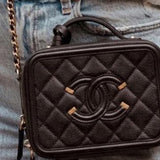
A counterfeit handbag can cost far more than the price on the listing. Buying one is not a crime on its own, but reselling a counterfeit is a crime in several countries, with penalties that can include jail time and fines ranging into the millions, before any civil lawsuit from the brands. Here is what the purchase really sets in motion.
Is buying a counterfeit handbag illegal?
Buying a counterfeit product is not a crime in itself. Selling one is a different matter: if you try to resell a counterfeit bag, knowingly or unknowingly, it can be a crime in several countries, and the penalties can include jail time and fines that range in the millions. Luxury brands may also pursue civil action and sue for copyright infringement. The distinction matters for private sellers, because one resale attempt can turn a buyer into a defendant. The exposure is real whether the sale happens online or in person.
Why do counterfeits make authentic bags more expensive?
Every counterfeit purchase contributes to a price hike on the authentic version. Luxury prices are built on high-quality materials and the branding and marketing behind them, and when counterfeit sales eat into revenue, houses raise prices to recover what is lost. The result is the opposite of a saving: fakes help make the authentic bag you actually want more unattainable, for you and for everyone else shopping the same brand. Counterfeit shoppers are, in effect, funding part of the next price increase.
Where does the money behind fakes go?
The United Nations Office on Drugs and Crime has reported a strong link between the counterfeit industry and organized crime. Many counterfeit luxury products are produced unethically, and profits from their sale can fund other criminal activities, including illicit drugs and migrant smuggling. A counterfeit purchase is not a victimless bargain; it is revenue for operations that cause serious harm. Consumers who buy counterfeits are funding far more than a handbag.
The LDJ edit
Shop the latest finds


What else does a counterfeit cost you?
Counterfeit companies are not protecting a brand of their own, so quality is the first casualty. The bags are cheap to make and quick to fall apart, which means they get replaced often, and the savings on the first purchase tend to be temporary. The other costs stack up as well:
- Waste: no credible consignment store will accept a counterfeit, so pieces end up discarded;
- Safety: production is unregulated, and products may contain harmful chemicals or toxins;
- No recourse: no paper trail, no customer service and no returns.
What does the counterfeit trade cost designers?
Designers spend years in school learning their craft, and their effort, expertise and time are undervalued when their designs are ripped off and sold in high quantities below their worth. Copying also removes the incentive to invest in new ideas, which is a loss for everyone who buys fashion for the design in the first place. Every purchase of a fake props up companies built on deception and dishonesty.
What is the smarter way to save?
You can save hundreds or thousands of dollars on designer pieces without supporting any of this. Renting gives you the bag for the occasions you need it, and authenticated resale gives you real quality with a paper trail. Both keep designer craft in your life without the legal, ethical and safety baggage of a fake. Both legitimate paths also come with the documentation a fake can never offer.
Frequently asked questions
Is it illegal to buy a fake handbag?
Buying is not a crime on its own, but reselling a counterfeit is a crime in several countries, even if you did not know it was fake at the time.
What are the penalties for reselling a counterfeit?
They can include jail time and fines ranging into the millions, plus civil lawsuits from brands for copyright infringement.
Do counterfeit sales really raise authentic prices?
Yes. Lost sales push luxury houses to raise prices to recover revenue, which makes authentic bags more expensive for every buyer.
Why are counterfeit bags dangerous?
Production is unregulated, and the cheap materials used can contain harmful chemicals or toxins that regulated manufacturing would not allow.
Go deeper in the full list of reasons to avoid fakes, learn how authentication teams spot fakes, read the real case of the fake Gucci Marmont we refused, or see why renting works.
The LDJ edit