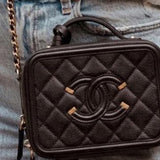
Every second, the equivalent of one garbage truck of textiles is landfilled or burned worldwide, according to the Ellen MacArthur Foundation. That is fashion's waste problem in a single image. Luxury bags sit at the opposite end: built to last decades, they change hands instead of wearing out, which makes reuse the most effective form of recycling.
What is circular fashion?
Circular fashion is a simple concept with a demanding standard: buy pieces that can be used again instead of discarded. When a product reaches the end of one life, it gets a second through reuse or repurposing rather than landfill. Instead of the linear take, make, dispose model, a circular system keeps products and materials in play for as long as possible.
Designer handbags are unusually well suited to the circle, because the product is durable, valuable, and wanted by someone else the moment you are done with it. In practice, circular fashion for bags means buying pre-owned, selling what you no longer carry, and restoring what deserves a longer life. The goal is not guilt; it is keeping value alive in the objects that already exist.
How much fashion waste is there?
The scale is enormous, and the honest headline is the one above: the equivalent of one garbage truck of textiles, landfilled or burned, every second. The deeper insight sits behind the number. Much of the waste comes from buying too much and wearing too little, pieces that expire in style or lose their appeal before they are ever used properly. Landfill is the end of a chain that starts with overproduction: too many items made, too few worn long enough to matter.
Recycling alone cannot fix that. Fashion consumes non-renewable resources including metal, leather, nylon and fur, so every item that avoids new production saves materials that cannot be replaced and keeps them available for future generations.
The vintage edit
Shop vintage finds


How does pre-owned reduce waste?
Designer handbags are the case study that works. A well-made bag can last for years and years, and when you are ready to move on, selling it online or through consignment recovers part of your cost before you buy the next one. The bag stays in use, the materials stay in circulation, and nothing goes to waste.
Secondhand wins twice, for the planet and for your wallet. Quality bags hold resale value, so caring for one and passing it on pays you back, and luxury rewards repair in a way fast fashion never does: these pieces are made to be kept, restored and passed on, not replaced every season.
How does consignment help?
Consignment turns a closet into a circular system. You hand over the items you no longer carry; they are authenticated, photographed and matched with a new owner; you get paid when they sell. The bag's life extends, and its next owner skips the demand for a newly produced piece.
Small businesses are building around the same idea. Rue Cambon Vintage upcycles designer jewelry from vintage buttons and zippers, made in Canada. The Bougie Bag creates protective dust bags that extend the life of fine handbags in storage. Both keep good objects in use rather than in closets or landfills.
At Luxe Du Jour, the mission is literal: help used designer bags find a new home and push back on throw-away fashion. Every resale and every restoration adds another loop to the circle, and every buyer who chooses pre-owned casts a vote for a fashion system that treats good objects as things to keep, not things to replace. Buyers get authenticated quality without new production; sellers recover value; the materials stay in play. That is the whole circular bargain.
Frequently asked questions
Is pre-owned luxury sustainable?
Yes. Buying pre-owned keeps a quality bag in use for years and avoids the new materials and manufacturing that a brand-new bag would require.
What happens to unsold bags on consignment?
Unsold items stay yours. You can approve a price adjustment, keep them listed, or take them back and keep wearing them.
How do I recycle a designer bag?
Resell or consign it first; that is the highest-value recycling. Restore it if it needs work, and treat donation as the last step before landfill.
Find out what your bag could sell for, or how consignment works. Give worn pieces a second life at Luxe Bag Spa, and shop vintage finds that already told their first story.
The LDJ edit